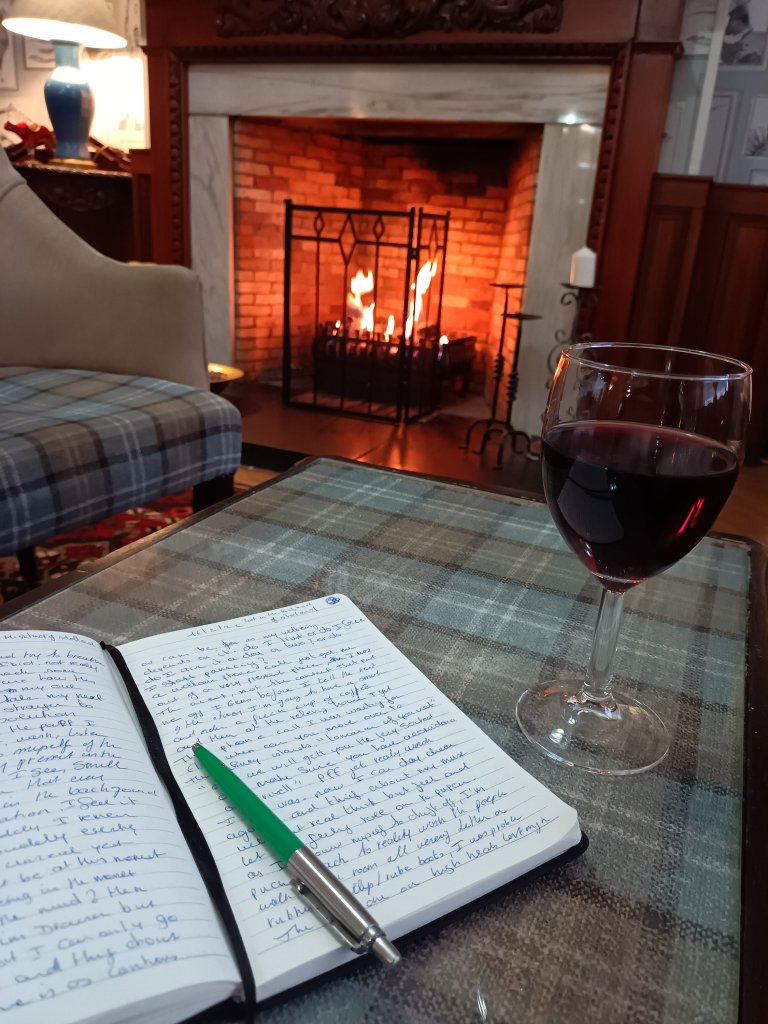
Wandering in early-morning thought, I began to ponder this little musing.
We have become sloppy and careless.
We have lost the skill to understand poetry,
or even to stay with what we are reading and hearing.
We speak without thought.
We build strong bodies, cultivate minds,
and learn to understand our emotions…
But where is eloquent language?
In what writing do we think?
Whose sentences do we borrow to make sense of ourselves and our thoughts?
How much of our vocabulary shapes our experience of life,
its quality, its possibilities, the value we give our days?
It shapes our thinking, our decisions, our relationships…
the way we experience our existence in the world.
How many fillers in conversation are hereditary clichés, automatic noises we reach for instead of meaning, things some people may notice (and feel the friction of) more intensely?
This is not a plea to abandon dialect or slang.
It is not always undesirable.
Often, we love the sound: the rhythm, the identity.
It has value alongside the understanding and engagement with the fullness and care of considered language.
And we cannot deny the effect words have
when someone we love speaks them…
or someone we dislike.
The same words, the same sentence,
completely different meaning.
This is not about knowledge.
We all carry cultural backgrounds, life experiences, and access.
But we can learn to be conscious of the messages we convey.
Yes, we will trip over our own poor judgment…
But this is the beautiful thing: we can correct ourselves.
This is here to make us question:
How do we use words?
How do they affect us, and the people around us?
Words can be lovely.
Beautiful.
Transformative.
But some words, some sounds, can fuel prejudice, resistance, even a sense of objection, before we even notice.
Words are not meaningless.
We have forgotten how to chew them, to taste them, to carry their weight.
It is time we learned again.
© Elke T.B. Stevens 04/04/2026


Leave a Reply